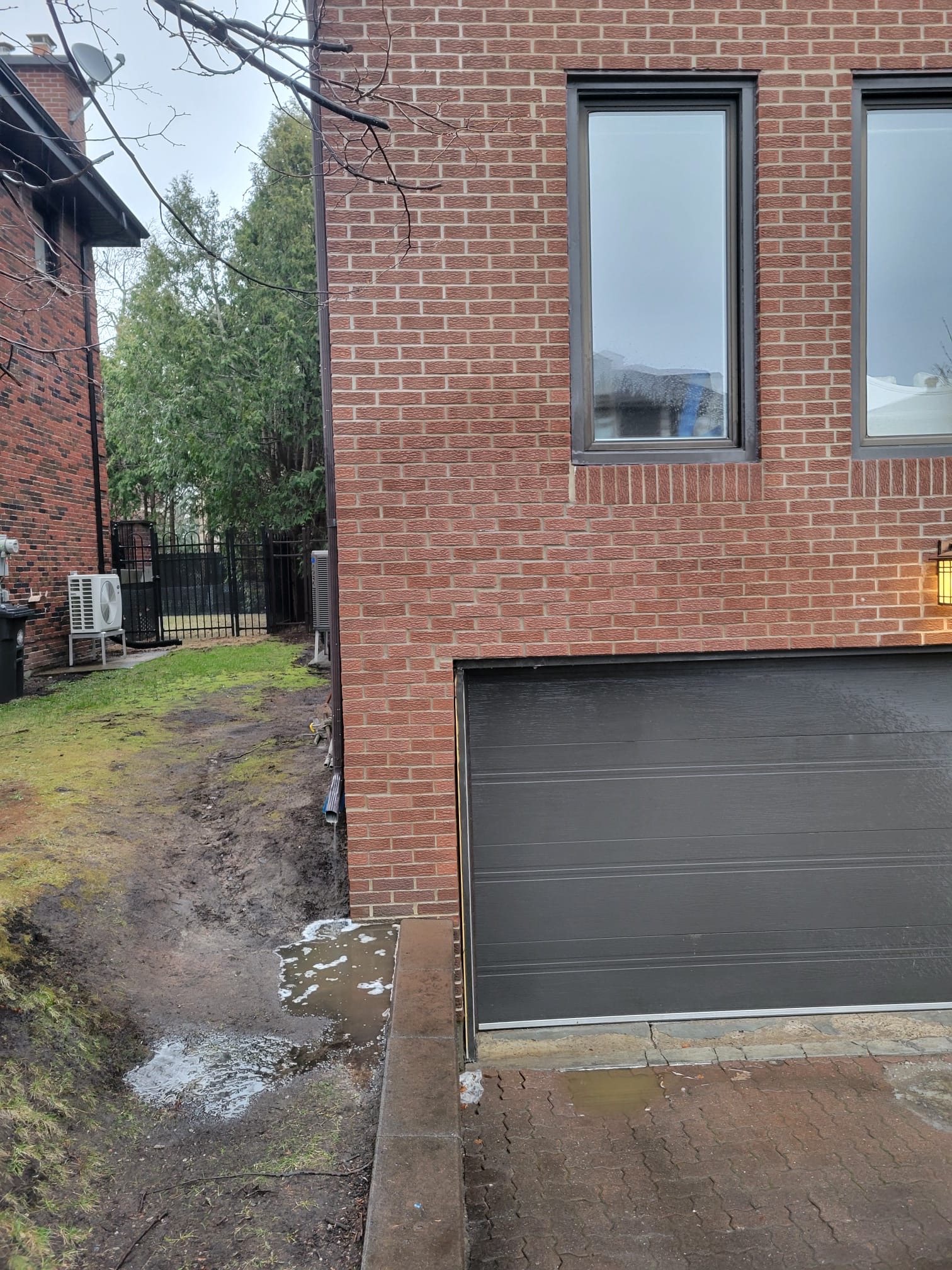
Masonry repointing is one of the most important restoration processes used to help preserve aging brick buildings and masonry façades.
Over time, mortar joints naturally deteriorate due to moisture exposure, freeze-thaw cycles, and long-term environmental wear. As mortar weakens, masonry systems may become increasingly vulnerable to water penetration and structural deterioration.
Repointing helps restore deteriorated mortar joints while supporting the long-term durability and appearance of the façade.
In Montreal, repointing is especially common on older brick homes, duplexes, triplexes, and historic masonry buildings exposed to decades of harsh winter conditions.
Masonry repointing is the process of removing deteriorated mortar from between bricks and replacing it with new mortar designed for the masonry system.
The goal of repointing is to help restore:
- mortar joint integrity
- moisture resistance
- façade durability
- masonry appearance
While bricks themselves may remain structurally sound for decades, mortar joints often deteriorate much sooner due to ongoing environmental exposure.
Because mortar joints play an important role in managing moisture movement and structural stability, maintaining them properly is essential for long-term masonry preservation.
Mortar joints are constantly exposed to:
- rain
- snow
- humidity
- freeze-thaw cycles
- temperature fluctuations
- environmental aging
Over time, this exposure can gradually weaken the mortar and create openings that allow additional moisture penetration into the masonry system.
In Montreal’s climate, repeated freeze-thaw cycles can accelerate this deterioration process significantly.
As moisture enters weakened mortar joints and freezes during winter, expansion pressure can contribute to cracking, crumbling, and ongoing façade wear.
Homeowners should watch for visible signs of mortar deterioration, including:
- Cracked mortar joints
- Missing mortar sections
- Crumbling mortar
- Loose brick movement
- Water penetration
- White residue or efflorescence
- Surface brick deterioration
- Gaps between bricks
In many cases, early repointing can help reduce the risk of larger masonry restoration issues later on.
Many Montreal homes and buildings contain older masonry systems that have been exposed to decades of moisture and winter weather.
Older duplexes, triplexes, chimneys, parapets, and brick façades often experience gradual mortar deterioration over time.
If deteriorating mortar joints are left untreated, moisture may continue entering the masonry system and contribute to:
- freeze-thaw deterioration
- brick spalling
- façade instability
- accelerated aging
This is why proactive masonry preservation is especially important in older neighborhoods throughout Montreal.
Repointing helps restore deteriorated mortar joints and reduce pathways that allow excessive moisture penetration into the masonry system.
When combined with breathable masonry protection approaches, repointing can play an important role in long-term façade preservation and moisture management.
Preventive masonry protection is often most effective before major deterioration develops.
Older brick buildings often require compatible restoration materials designed for the existing masonry system.
Using overly hard or incompatible mortars on older brick structures may contribute to additional stress or deterioration over time.
This is one reason preservation-focused masonry restoration is important for maintaining long-term façade performance.
Repointing specifically focuses on deteriorated mortar joints.
More extensive masonry restoration may also involve:
- replacing damaged bricks
- stabilizing façade sections
- addressing structural deterioration
- repairing moisture-related damage
In many cases, repointing is one component of a broader masonry preservation strategy.
Mortar deterioration often develops gradually over time before becoming highly visible.
For Montreal property owners, identifying early warning signs and addressing masonry wear proactively can help preserve façade integrity and reduce long-term repair risks.
Not sure if your mortar joints may be deteriorating?
Boreal Masonry Protection provides preservation-focused masonry assessments, repointing guidance, and breathable masonry protection solutions designed for Montreal’s climate and older brick buildings.
Not sure what your building needs?Get a clear recommendation before moisture damage becomes expensive.
Book a Free Façade Assessment


%20(2000%20x%20500%20px)%20(2).png)
.png)